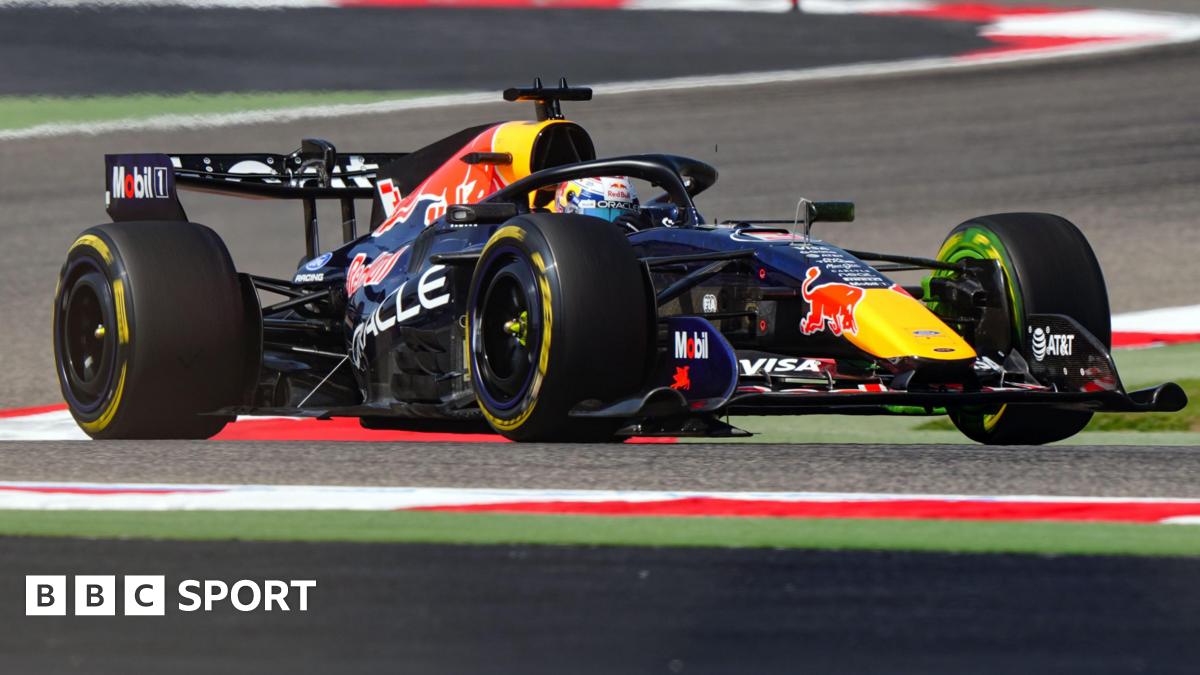
The first pre-season F1 testing session in Bahrain has provided teams, drivers, and fans with valuable insights into the performance and design of the new cars. While some teams showcased promising developments, others revealed areas needing improvement. This article explores what we learned about the cars' aerodynamics, reliability, and overall competitiveness, as well as what remains uncertain ahead of the upcoming season.
During the testing, teams focused heavily on evaluating their new aerodynamic packages. Many teams introduced significant upgrades aimed at enhancing downforce and reducing drag, which are crucial for achieving better lap times and stability at high speeds. Notably, the aerodynamic efficiency of the cars varied, with some teams demonstrating promising results while others struggled with balance and consistency.
Reliability was another key aspect scrutinized during the tests. Several teams experienced technical issues, including power unit failures and gearbox problems, raising concerns about durability. These issues highlight the ongoing challenge of balancing performance with reliability, especially with new regulations and technical specifications introduced this season.
In terms of performance, the drivers' feedback was mixed. Some drivers expressed optimism about the handling and speed of their cars, citing improvements over previous seasons. Others pointed out areas for further refinement, particularly in tire management and brake performance. The testing also revealed differences in how teams are approaching their setup strategies, with some prioritizing outright speed and others focusing on consistency and race pace.
One of the most anticipated aspects of the testing was the performance of the new power units. While some teams showed strong power delivery and fuel efficiency, others faced challenges with engine cooling and integration. These factors will be critical as teams work towards optimizing their setups for race conditions.
Despite the valuable insights gained, several questions remain unanswered. For instance, the true pace of the cars in race conditions, especially over long stints, is still uncertain. Additionally, the impact of new regulations on overtaking and race strategy will only become clear once the season begins and teams have more data from actual race simulations.
Overall, the Bahrain tests have set the stage for an exciting season ahead. Teams are still refining their cars, and the coming weeks will be crucial for addressing the issues uncovered during testing. Fans and analysts will be watching closely to see which teams emerge as front-runners and how the new regulations influence the competitive landscape of Formula 1.